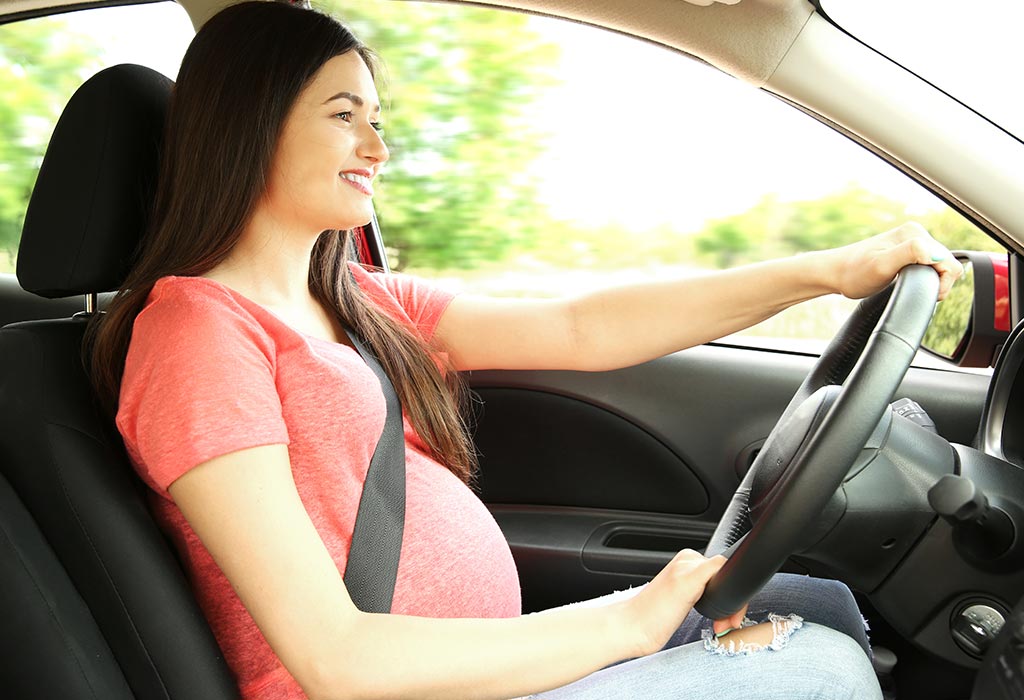
If someone asks if pregnant women should wear a seat belt, the answer is that road accidents are the first traumatic cause of abortion. Or that traffic accidents cause between 1,500 and 5,000 accidental terminations of pregnancy in the United States.
The data is provided by the Mapfre Foundation, which adds in a guide to its Doctors for Road Safety tool that the seat belt “saves maternal and fetal lives, and prevents serious complications resulting from the accident.”
If someone asks if pregnant women should wear a seat belt, the answer is that road accidents are the first traumatic cause of abortion. Or that traffic accidents cause between 1,500 and 5,000 accidental terminations of pregnancy in the United States.
The data is provided by the Mapfre Foundation, which adds in a guide to its Doctors for Road Safety tool that the seat belt “saves maternal and fetal lives, and prevents serious complications resulting from the accident.”
The scientific evidence was so convincing at the beginning of this century (compared to what was recommended since the seventies of the past) that it prompted a modification of the norm. Since 2006, pregnant women who do not wear a seat belt have been fined (200 euros, a serious infraction) and three points are deducted from their driving license, like anyone else. Until that year, the circulation regulations included “pregnant women” among the exemptions for the use of the retention system.
Subsequent studies have corroborated the success: the proper use of the seat belt “would prevent approximately 84% of serious fetal outcomes”, that is, “disabling injuries and deaths” (University of Michigan, 2008); It has also been found that women who have an accident and do not wear a seat belt are “7.1 times more likely to suffer a stillbirth” (Fukui University, Japan, 2017).
The studies, on the other hand, agree on something else: they mention not the use (just) of the retention system, but the “correct use”. How should pregnant women wear their seat belts? The experts respond unanimously: without looseness and with special care when placing the ventral band. The Fundación Mapfre guide points out two more critical periods: first, the first three months of pregnancy, since the amount of amniotic fluid is less and the fetus is less protected. And then the last trimester of pregnancy, because the use of the seat belt will be more annoying and because a sudden stop or a crash “can advance the delivery or cause trauma to the child,” says the Mapfre Foundation guide. This text collects these generic tips:
- Expectant mothers must wear the belt correctly, both in the front and rear seats. The basic rule is that the bands do not oppress the belly.
- The belt must be placed with the lower band below the abdomen, on the thighs, and adjust it as much as possible on the hips, encircling the pelvis.
- The frontal or diagonal band must pass over the clavicle and between the breasts, surrounding the abdomen and never in front of it. It should never be worn behind the back or under the arm or armpit. In no case should you sit on the ventral band.
- Gaps must be eliminated as far as possible. Likewise, cushions should not be placed on the seat or between it and the back.
The pregnant woman should know that the risk of losing the fetus when using the device with two anchors is five times higher than the risk of using the one with three points.
The three-anchor seatbelt device divides the probability of serious, life-threatening injury to the fetus by six.
Remember, wearing a seat belt is the best way to stay safe while riding in a car. And pregnant or not, the correct way to fasten the belt is the same: with the lap part low and flat on the hips and the shoulder part snug across the middle of the chest and over the shoulder.
But pregnancy changes the body, and comfort in the car. These tips can help you and your growing belly travel comfortably and safely.
1. Lift your belly and position the lap belt snugly across the tops of your thighs and across your hipbones.
Never put the lap portion of the belt on or above the belly. A seat belt over a vulnerable belly could harm the baby or the placenta if a crash occurs.
2. Place the shoulder portion of the belt across the middle of your chest and to one side of your belly.
This protects your head and chest and prevents the lap portion of the belt from sliding on your belly.
3. Tilt the steering wheel up.
The growing belly needs extra space in the car. Tilt the steering wheel up and away from your belly.
4. Slide the seat as far away from the steering wheel as possible.
Sit as far back as you comfortably can to protect your belly from the airbag in a crash.
5. Adjust your seat to a comfortable upright position.
Reclining the seat too far increases the distance between your shoulder and the seat belt and puts extra pressure on the uterus.
If your growing belly prevents you from driving comfortably while wearing your seat belt correctly, it may be time to stop driving. Consider letting someone else drive to the delivery. Remember to move your seat as far back as you can, even when traveling as a passenger. Air bags can save lives, but they can also be dangerous if you are too close when they open.
Are maternity adapters for car seats safe?
You may have seen pregnancy seat belt adapters advertised online and in stores. What those ads don’t tell you, is that there is no crash test data to support or regulate the aftermarket pregnancy seat belt adapters . That means you and your unborn baby are basically guinea pigs in an experiment testing the crash safety of those pregnancy seat belt adapters. In short, we do not recommend them!
Pregnancy seat belt adapters can alter the way the car seat works, placing the belt unsafely around the body. Many of those adapters reposition and add space on the shoulder portion of the belt. But studies indicate that the shoulder portion of the belt is rarely a problem in a crash. In fact, it is the lap portion of the belt that is too high on the abdomen that increases the risk to the fetus.
Case studies of pregnant women in crashes show that wearing a seat belt correctly during pregnancy is very effective in protecting both mom and baby. Using the lap and shoulder portion of the belt correctly means your baby is 4.5 times more likely to survive, and even grow healthy, in a crash.
The best way to protect your unborn baby in the car is to protect yourself. And years of crash test evidence show that wearing a seat belt correctly is critical to safe travel in a vehicle. Remember, pregnant or not, always buckle up!